2 hr
Asakusa Sumo Wrestling Show with Geisha Performance & Hot Pot Dinner
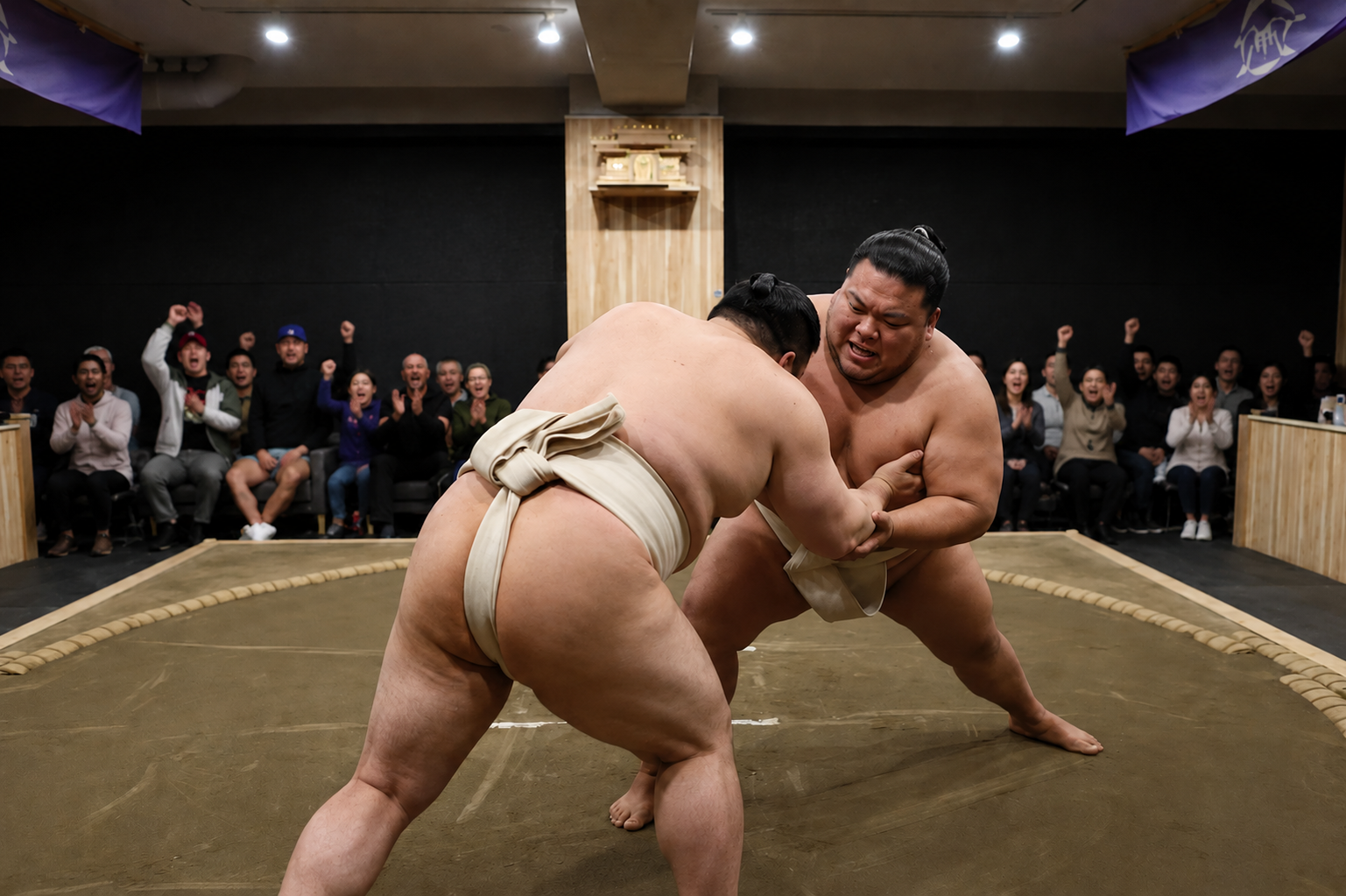
Watch retired sumo champions demonstrate ancient techniques while enjoying unlimited chanko-nabe in an authentic ring-side setting
Reserve
Watch rikishi clash in the dohyo, share chanko-nabe with champions
Hand-picked by our editors — only the best 3 sumo experiences from 12 reviewed.
Verified partners for Tokyo Sumo Show With Lunch tours, free cancellation where available, and instant confirmation on every booking.
2 hr
Watch retired sumo champions demonstrate ancient techniques while enjoying unlimited chanko-nabe in an authentic ring-side setting
Reserve
1 hr 30 min
Watch live sumo bouts, learn ancient rituals, and step into the ring to face a professional wrestler
Reserve
1 hr 30 min
Watch retired professional wrestlers compete in an authentic sumo stable, then taste their training diet
ReservePrices from verified partners. Availability updates in real time at checkout. Free cancellation policies apply where shown.
The landmarks, rooms, and views travelers on Tokyo Sumo Show With Lunch tours remember — all visible on a single visit.
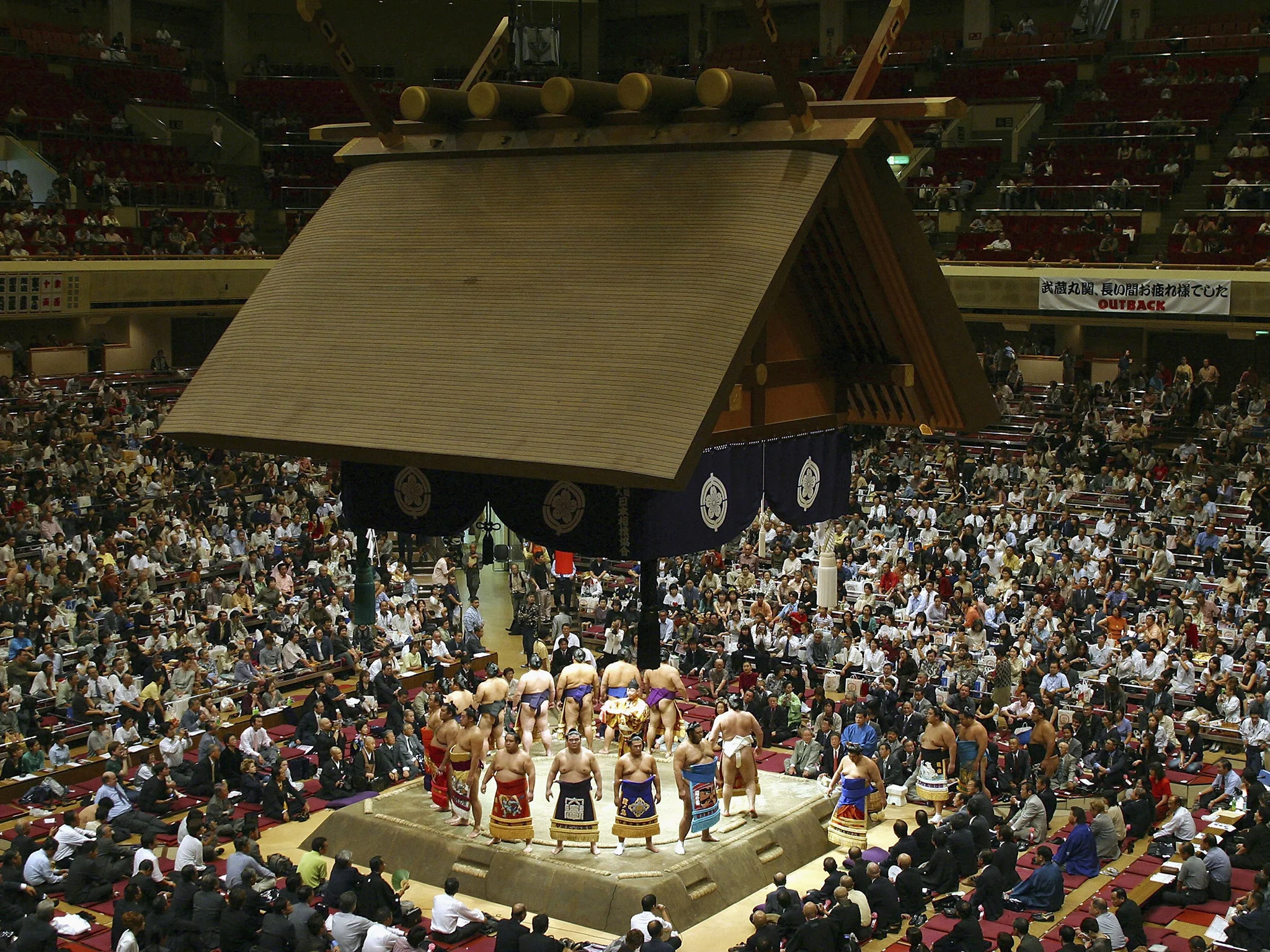
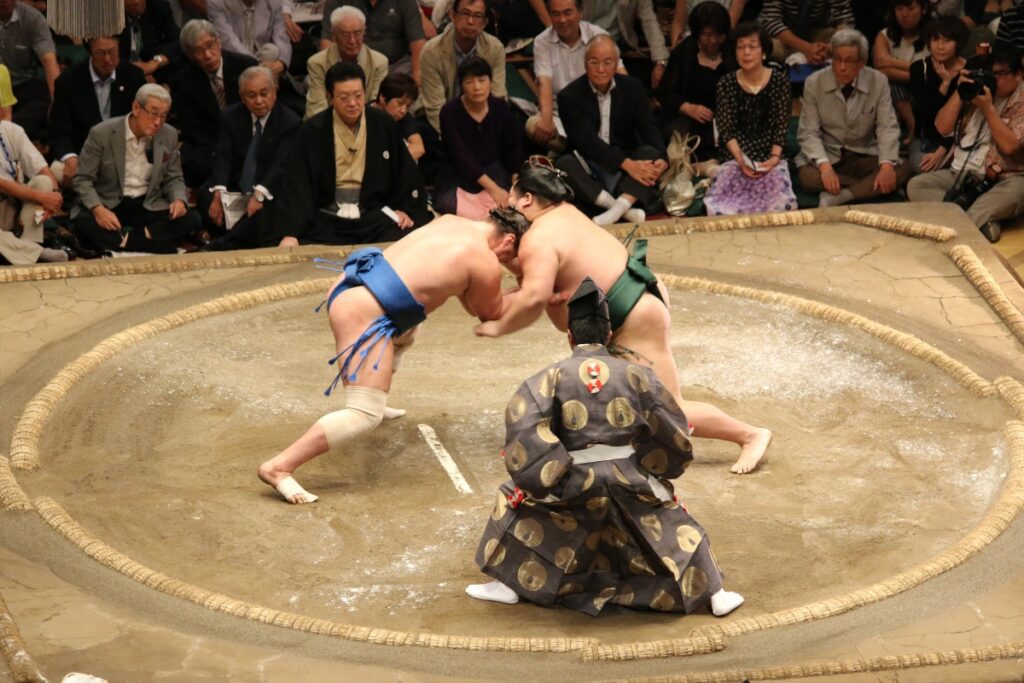
The circular clay ring is where all matches occur, measuring 4.55 meters in diameter
Dohyo Ring
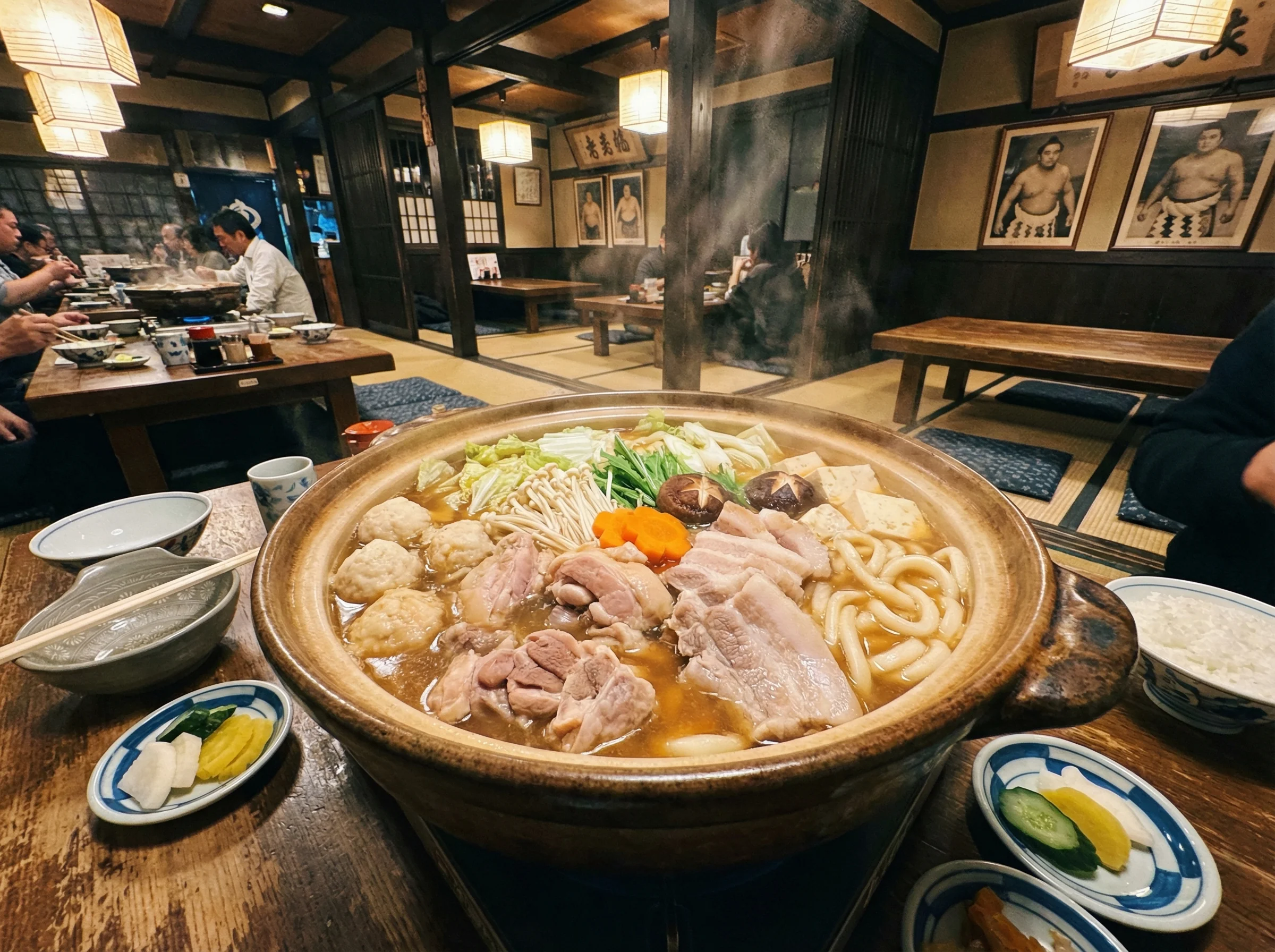
This area serves the traditional protein-rich stew eaten by athletes, often including 5-10 ingredients
Chanko Nabe Station
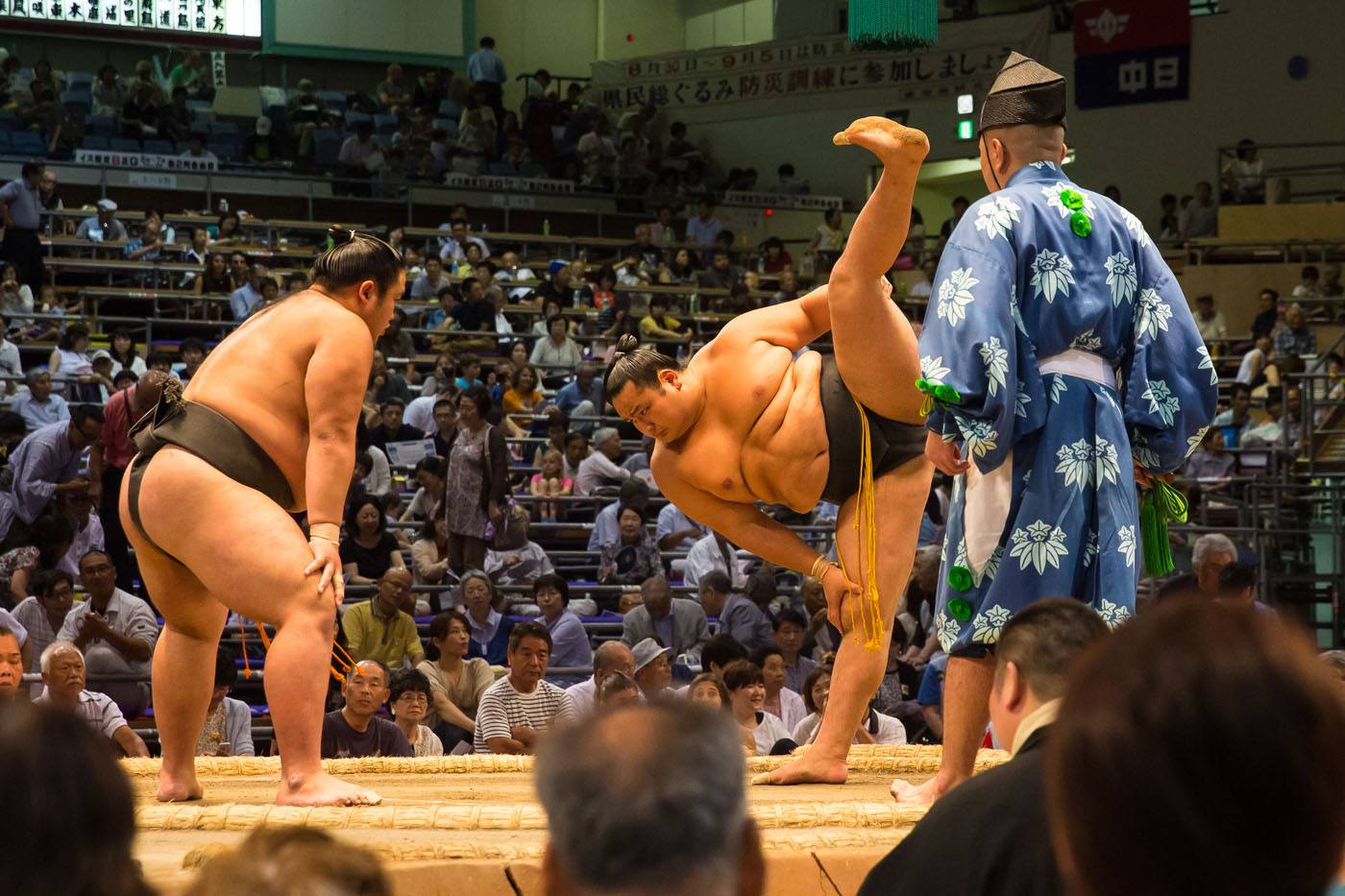
Observe the practice of raising legs high to clear spirits, a ritual performed 50 times daily by trainees
Shiko Stomping Area
Athletes toss salt into the ring to purify the space before every bout begins
Ceremonial Salt Box
The elevated area where winners are announced and receive their traditional commendations
Victory Platform
Every Tokyo Sumo Show With Lunch tour side-by-side — duration, what's included, how you redeem.
| Experience | Duration | Rating | Lunch | Free cancel. | Price | |
|---|---|---|---|---|---|---|
|
Standard Entry Most popular
Asakusa Sumo Wrestling Show with Geisha Performance & Hot Pot Dinner
|
2 hr | ★ 4.8 | ✓ | ✓ | €86 | Book → |
|
Standard Entry
Shinjuku Sumo Wrestling Show & Ring Challenge
|
1 hr 30 min | ★ 4.9 | — | ✓ | €32 | Book → |
|
Standard Entry
Sumo Wrestling Show & Chanko Meal at Historic Stable
|
1 hr 30 min | ★ 4.8 | — | ✓ | €54 | Book → |
All prices from verified partners. Availability and exact terms confirmed at checkout.
The Shibuya event provides intimate cultural engagement, whereas the Ryogoku Kokugikan offers the intense, authentic atmosphere of a professional sporting championship. Visitors who prioritize direct interaction often prefer the workshop-style tokyo sumo show with lunch tours, while those seeking traditional matches favor the tournament.
| Feature | Top pick Shibuya Sumo Show | Ryogoku Kokugikan |
|---|---|---|
Authenticity vs Interaction |
Interactive cultural workshop | Professional tournament sport |
Venue Atmosphere |
Small intimate studio | Large professional arena |
Seasonality |
Year-round availability | Limited to tournament dates |
Participant Involvement |
High active participation | Observation only |
Viewing Distance |
Close proximity to wrestlers | Variable arena seating |
| See tickets → |
Verdict: Select the Shibuya location for a hands-on experience or the Ryogoku Kokugikan for the raw intensity of professional tokyo sumo show with lunch tickets.
Choose your ticket, select your date, and reserve in under two minutes. Secure checkout handled by our verified partner.
Instant confirmation by email, with a mobile voucher you can save offline. No printing, no queuing at a collection desk.
Arrive at the entrance, show your voucher on your phone, and walk in. Most tickets include priority or skip-the-line access.
Practical details for Tokyo Sumo Show With Lunch tickets straight from our verified partners — hours, access, rules, and how to get there.
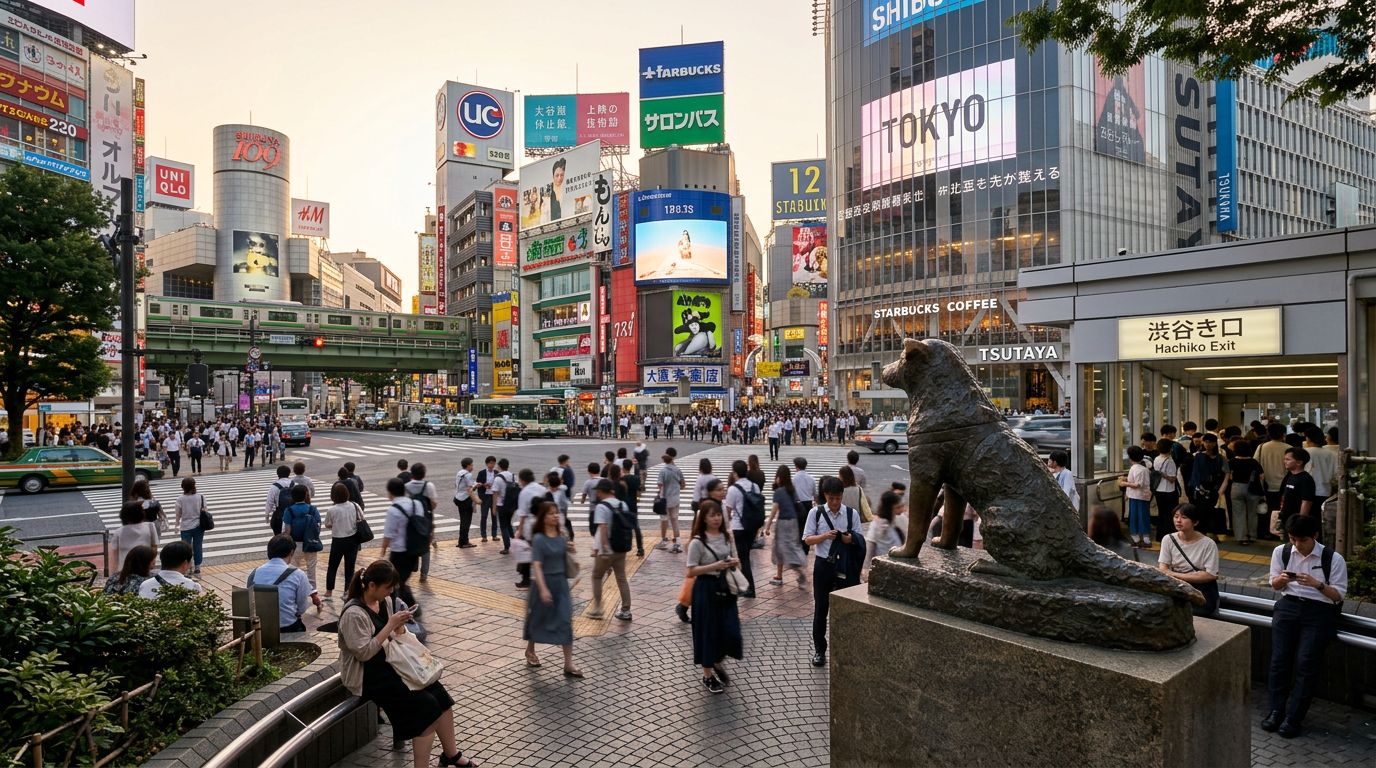
Shibuya, Tokyo, Japan
Meet at the Hachiko Exit.
Open in Google MapsUse the JR Yamanote Line to reach Shibuya Station. The venue is a short walk from the Hachiko Exit.
Casual attire is acceptable at Shibuya Sumo Show. Avoid excessively loose clothing that may interfere with surrounding seating areas.
Large luggage items are prohibited. Small personal bags are permitted but must be kept under your seat during the performance.
Photography is permitted during designated segments of the show. Video recording is strictly prohibited to respect the privacy of the athletes.
The venue is wheelchair accessible. Please notify staff upon arrival if you require priority seating arrangements.
Please keep devices on silent mode throughout the event. You may use phones during breaks for photos.
The Shibuya Sumo Show is suitable for children of all ages. Infants must sit on a parent's lap during the lunch and performance.
Your tokyo sumo show with lunch experience includes a traditional meal served at the venue. Outside food is not permitted in the arena.
Service animals are permitted with advance notice. Standard pets are not allowed inside the facility.
The tokyo sumo show with lunch tour requires guests to remove footwear at the entrance. Socks are recommended for hygiene and comfort.
Best time to go, insider tips, nearby landmarks, and the cancellation fine print — flip through to skim what matters to you.
How crowds, weather, and events shift across the year.
March to May offer mild temperatures ideal for visiting this Shibuya attraction.
Small details that turn a good visit into a great one.
Secure your tokyo sumo show with lunch tickets online to ensure availability.
Non-bookable sights within a short walk — free to visit, easy to pair.
A famous bronze statue located near the train station entrance.
Flexible, no hidden fees.
Full refunds are available for cancellations made within the specified notice period. Please check your booking confirmation for exact windows regarding the 10,000 JPY entry fee.
Hand-picked options within walking distance — pick a district for vibe, or a specific hotel for convenience.
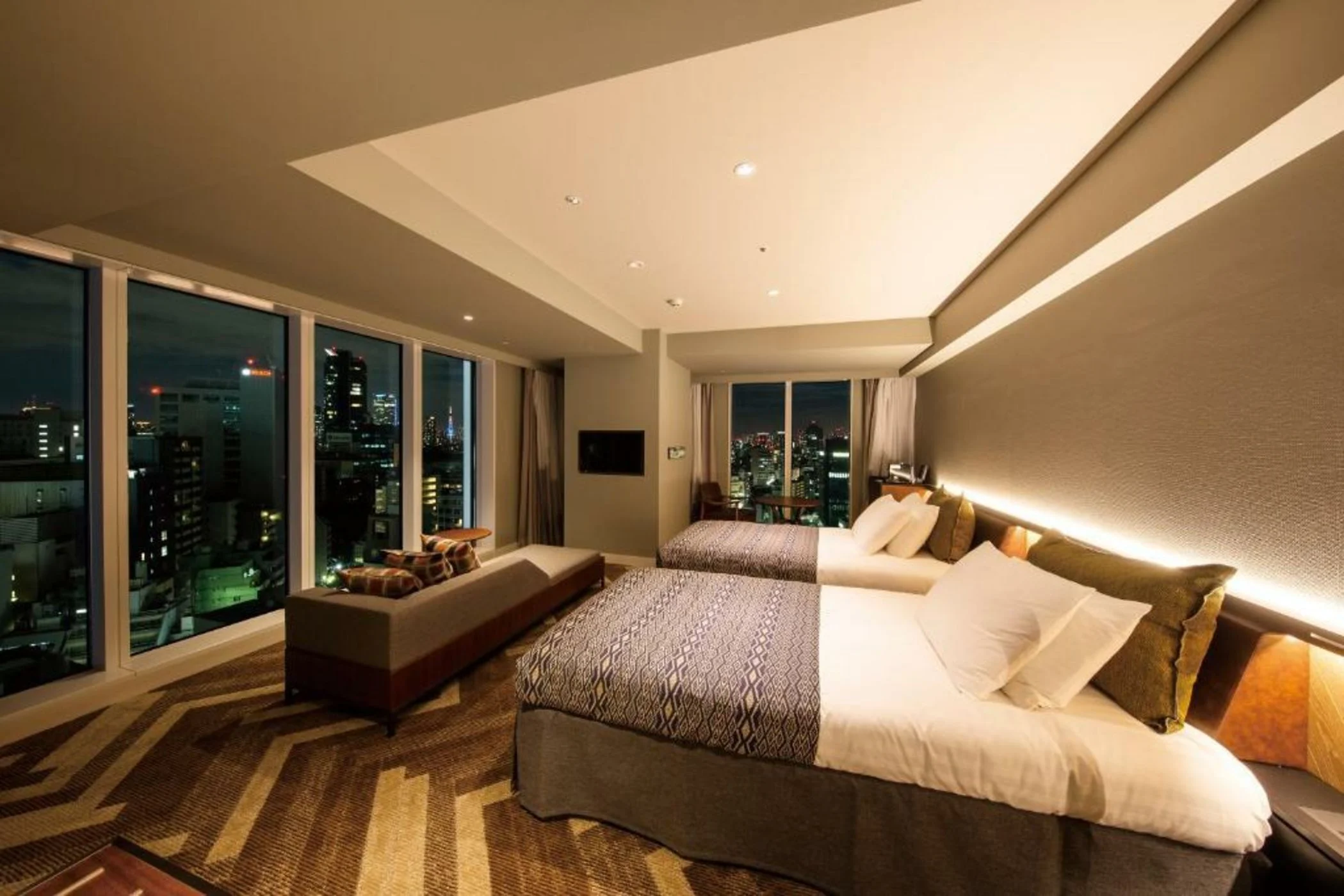
High-end hotel with views of the surrounding city.
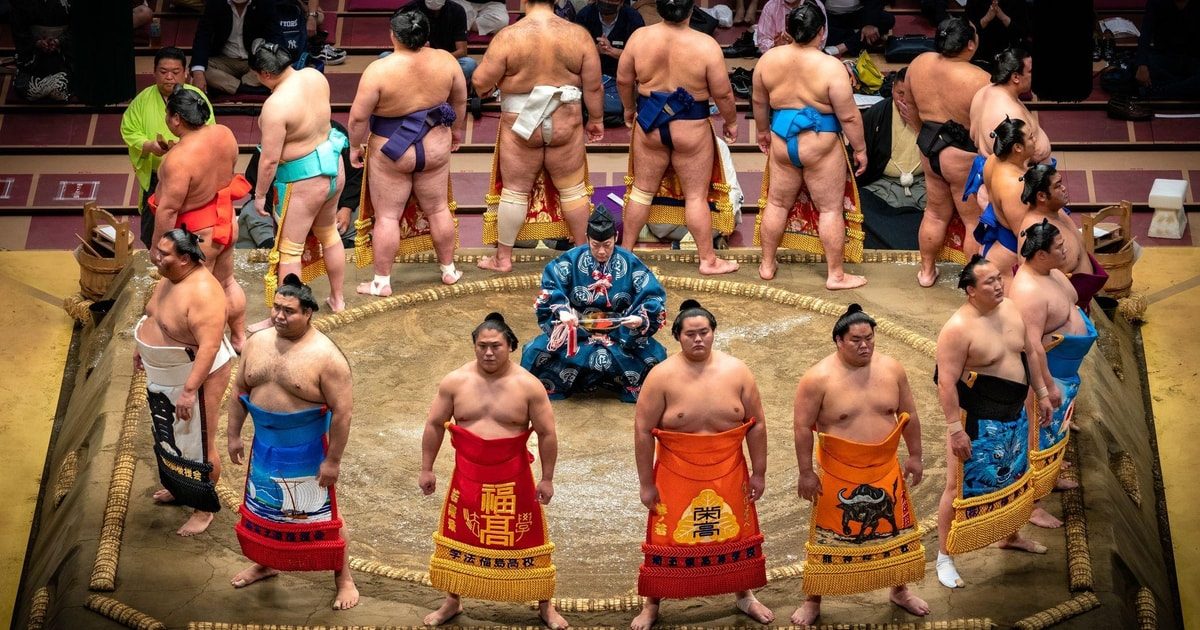
Sumo wrestling emerged in the eighth century as a Shinto ritual to ensure bountiful harvests, with matches performed at shrine festivals across the Japanese archipelago. The circular dohyo ring, purified with salt before each bout, remains unchanged in its 4.55-metre diameter since the Edo period.
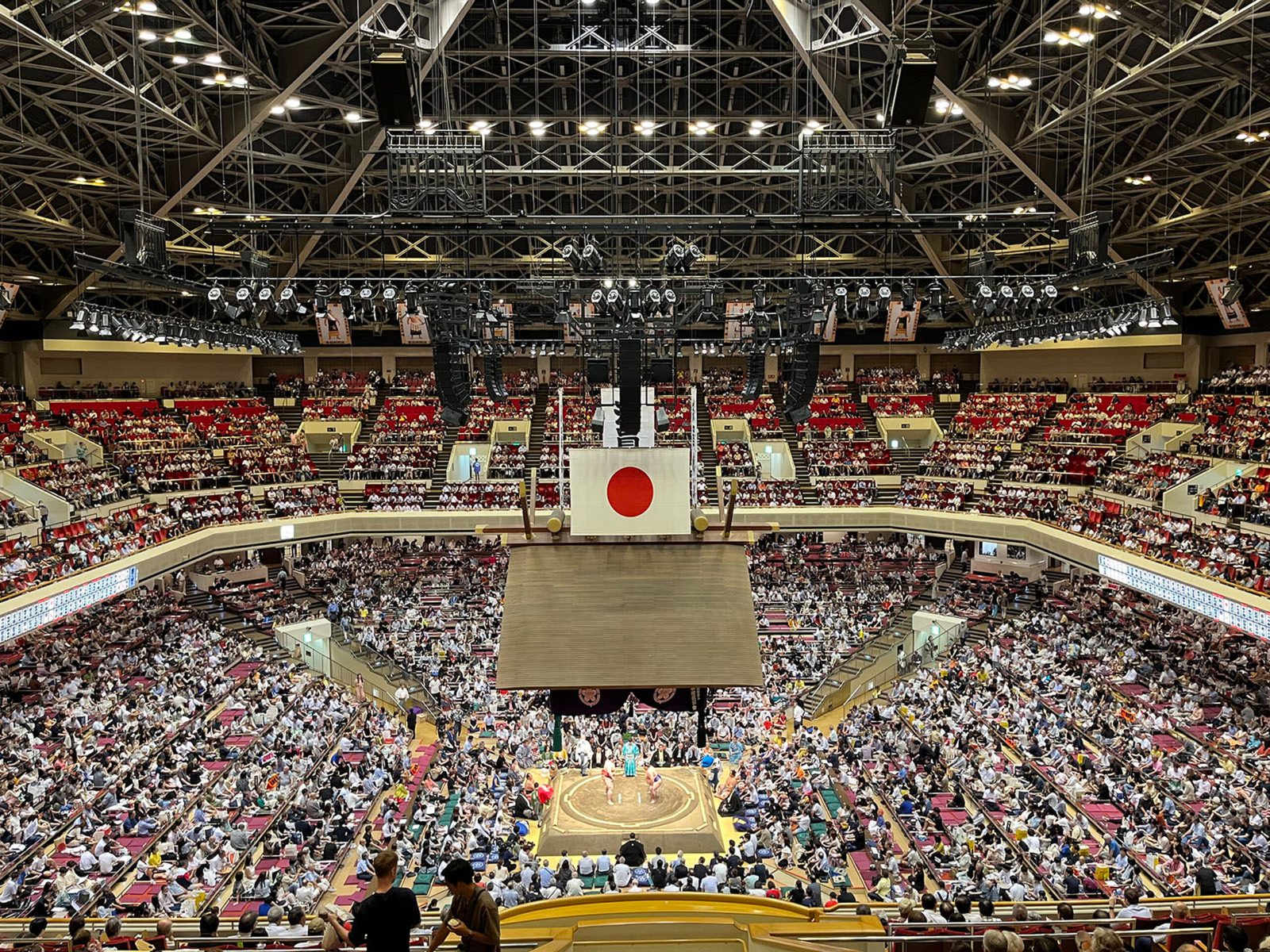
What began as divine offering evolved into the national sport, governed by the Japan Sumo Association and codified into six annual honbasho tournaments that draw capacity crowds to venues like Tokyo's Ryōgoku Kokugikan.
Yet for most visitors, tournament tickets sell out months ahead, and the six-week competition windows fall outside typical travel dates. The tokyo sumo show with lunch format bridges that gap, bringing retired and active rikishi into intimate venues where fifty guests watch demonstration bouts, learn the eighty-two kimarite winning techniques, and ask questions about daily training regimens that begin at dawn. Shibuya's central location places the experience within walking distance of Meiji Shrine and Harajuku, making it a midday anchor for broader itineraries.
The chanko-nabe meal served after the matches follows recipes developed in sumo stables to build the wrestlers' mass. The protein-rich hot pot combines chicken or pork with tofu, Chinese cabbage, mushrooms, and dashi broth, traditionally eaten in quantities exceeding two thousand calories per sitting. Retired wrestlers often operate chanko restaurants throughout Tokyo, but few venues pair the meal with live combat and direct access to competitors. Guests sit on tatami or at low tables, the same communal setup used in heya training stables.
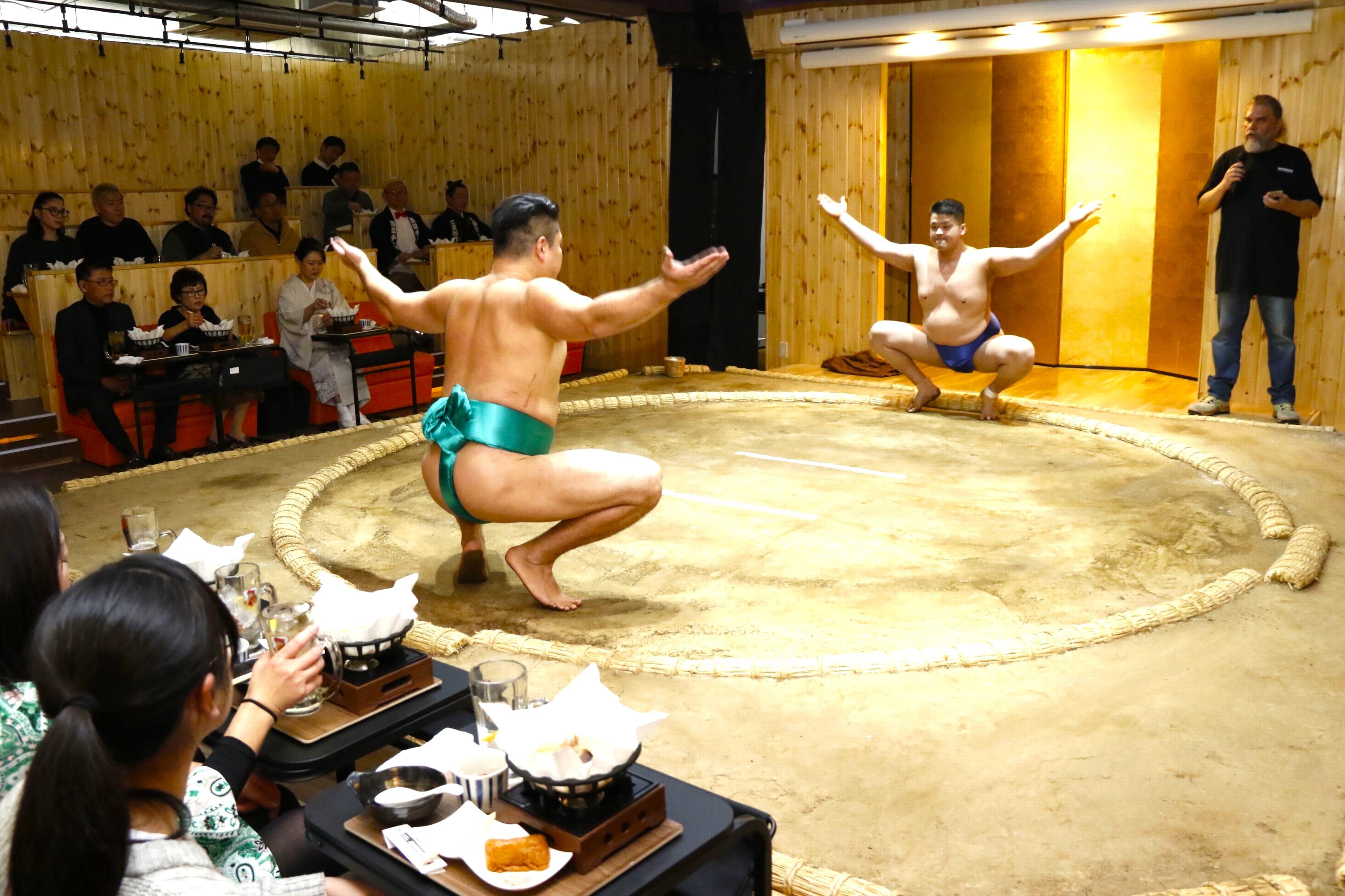
Demonstration bouts follow abbreviated rituals: the shiko leg-stomping, the salt-throwing purification, the intense stare-down called niramiai. Wrestlers wear mawashi belts and topknots, though the matches last seconds rather than the extended grappling seen in tournament play. Referees in traditional silk robes narrate each technique in Japanese and English. The tokyo sumo show with lunch tickets include post-match photo opportunities, where visitors stand beside rikishi whose average weight exceeds 150 kilograms, and a Q&A covering diet, hierarchy within stables, and the path from amateur wrestler to professional sekitori rank.

"The circular dohyo ring, purified with salt before each bout, remains unchanged in its 4.55-metre diameter since the Edo period."
A step-by-step walkthrough of Tokyo Sumo Show With Lunch tickets — what you'll see, how long each stage takes, and the details that matter.
You arrive at the Shibuya venue thirty minutes before showtime, removing shoes at the entrance and receiving a numbered ticket. Staff guide you to floor seating around the raised dohyo, its clay surface already blessed with salt.
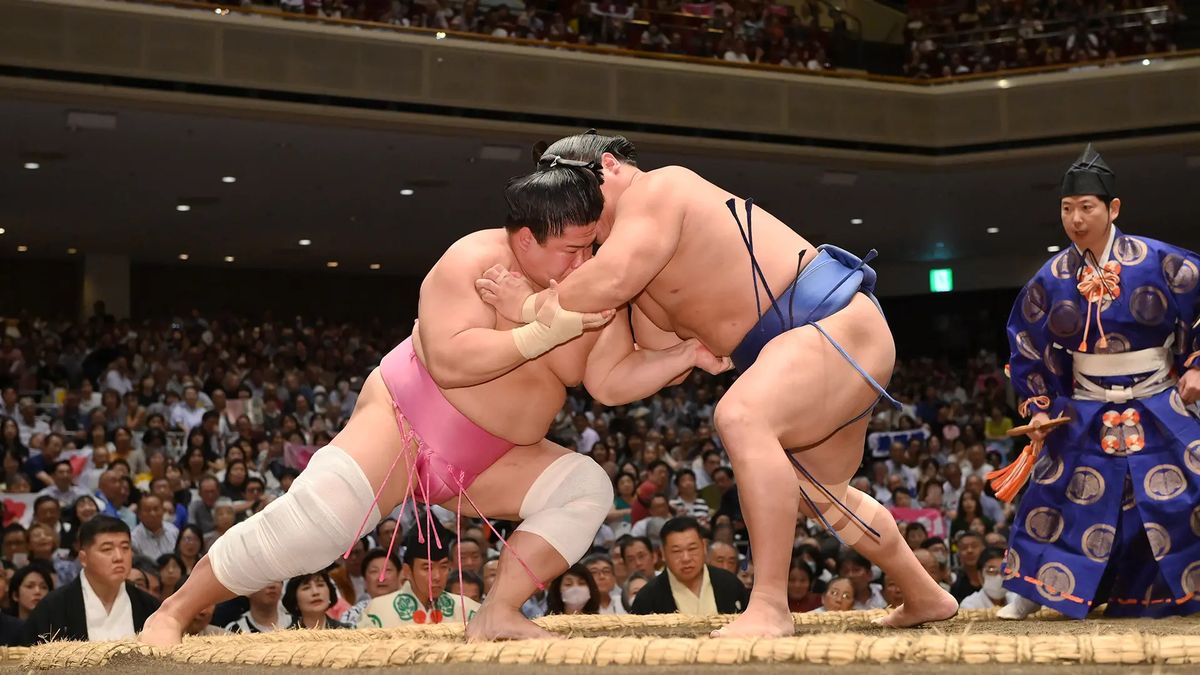
Two rikishi enter in ceremonial kesho-mawashi aprons embroidered with sponsor names, then strip to fighting belts. The referee, in split-toed tabi socks and holding a wooden gunbai fan, announces the first match.
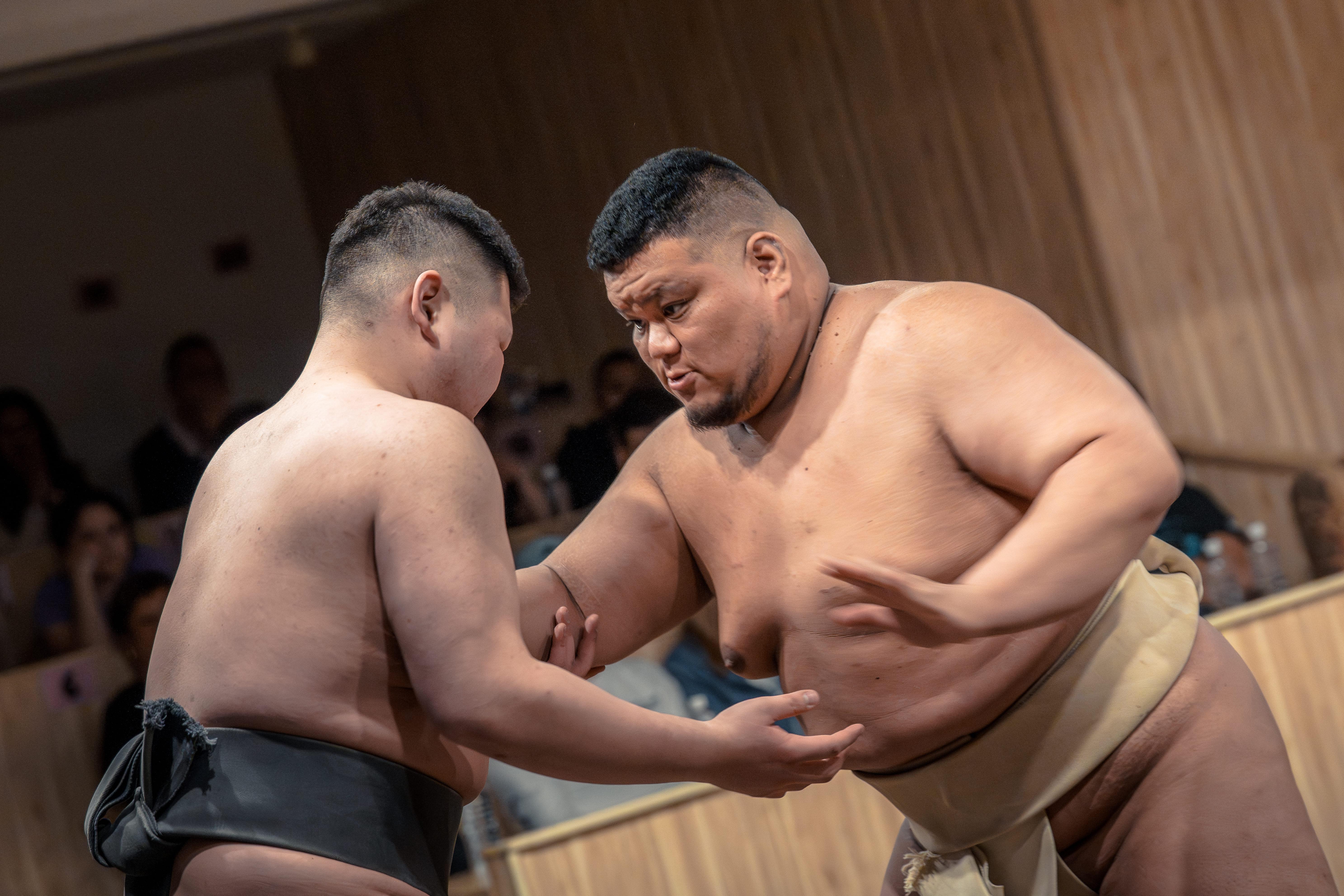
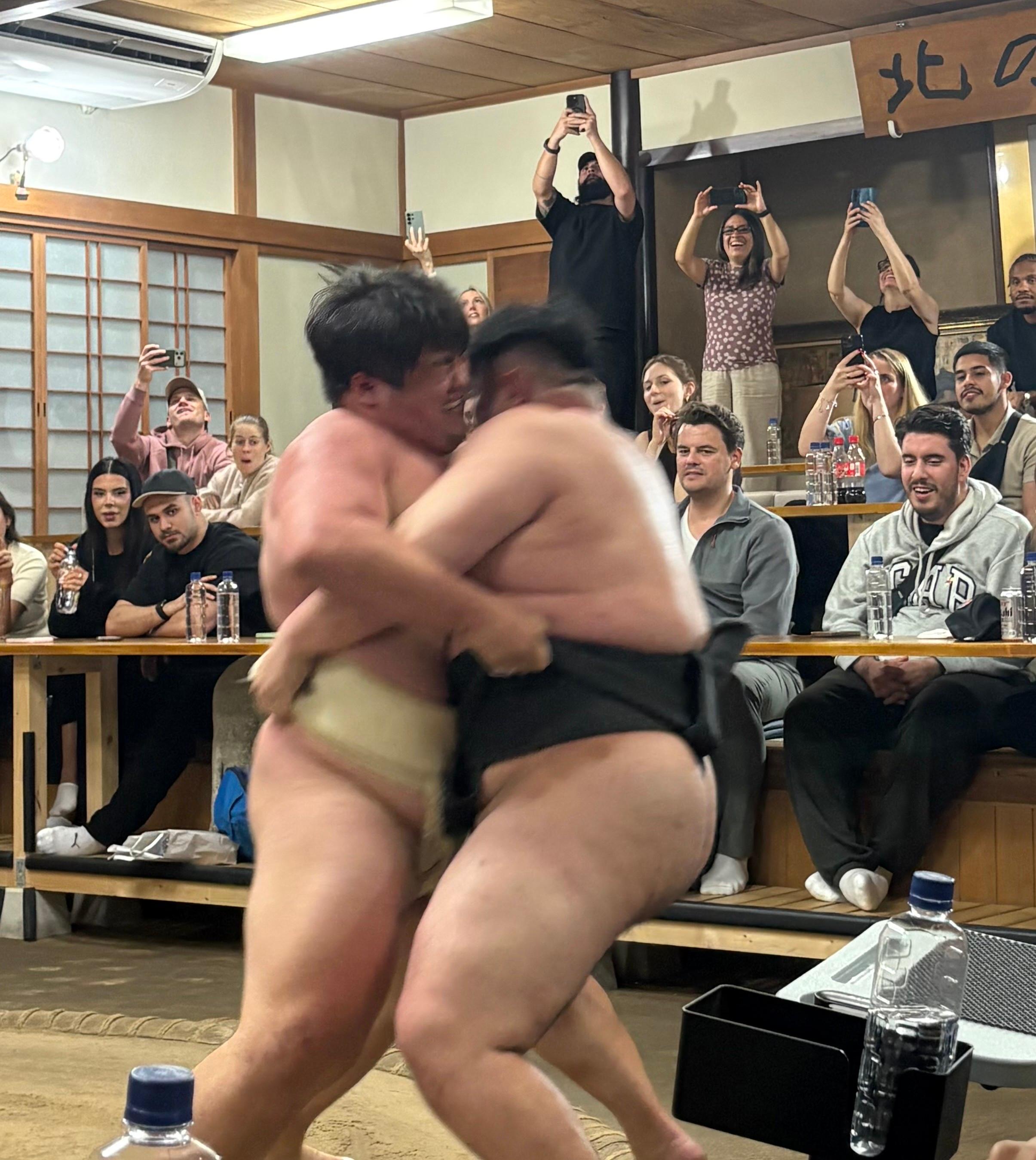
The wrestlers crouch, fists to the ground, eyes locked. They explode forward—a collision of mass and technique. One locks an arm around the other's mawashi, lifts, and drives him across the straw bales marking the ring's edge. Seven seconds. The referee's fan points to the winner. Salt flies across the clay as the next pair enters. You watch five bouts, each demonstrating a different kimarite: the leg sweep, the belt throw, the frontal push-out.
After the final match, you move to the dining area. Servers ladle chanko-nabe from a bubbling pot into your bowl—chunks of chicken thigh, sliced negi, firm tofu. The broth tastes of ginger and sake. A retired wrestler sits at the head table, answering questions through a translator about morning practice and the hierarchy of stable life. You finish your meal, return to the dohyo, and stand beside a rikishi for a photo, his arm thick as your thigh.
The venue is open daily from 10:00–18:00. Arrive at least 30 minutes before your scheduled time to secure your seat.
Yes, the Shibuya Sumo Show facility is fully wheelchair accessible for all guests.
Small bags are allowed but must stay under your seat. Large luggage is not permitted at the Shibuya Sumo Show.
Photos are allowed during specific show segments, but videos are strictly prohibited.
We recommend booking in advance, especially for afternoon slots. The ideal arrival window is 10:00–16:30.
No formal dress code is required, though guests must remove footwear at the Shibuya Sumo Show entrance.
Yes, a traditional lunch is included as part of the standard 10,000 JPY entrance fee experience.
The Shibuya Sumo Show is easily reached via the JR Yamanote Line at Shibuya Station.
Yes, the tokyo sumo show with lunch is family-friendly, though infants should be held on laps.