
1 hr 30 min
Shibuya Sumo Show with Wrestler Challenge & Photos
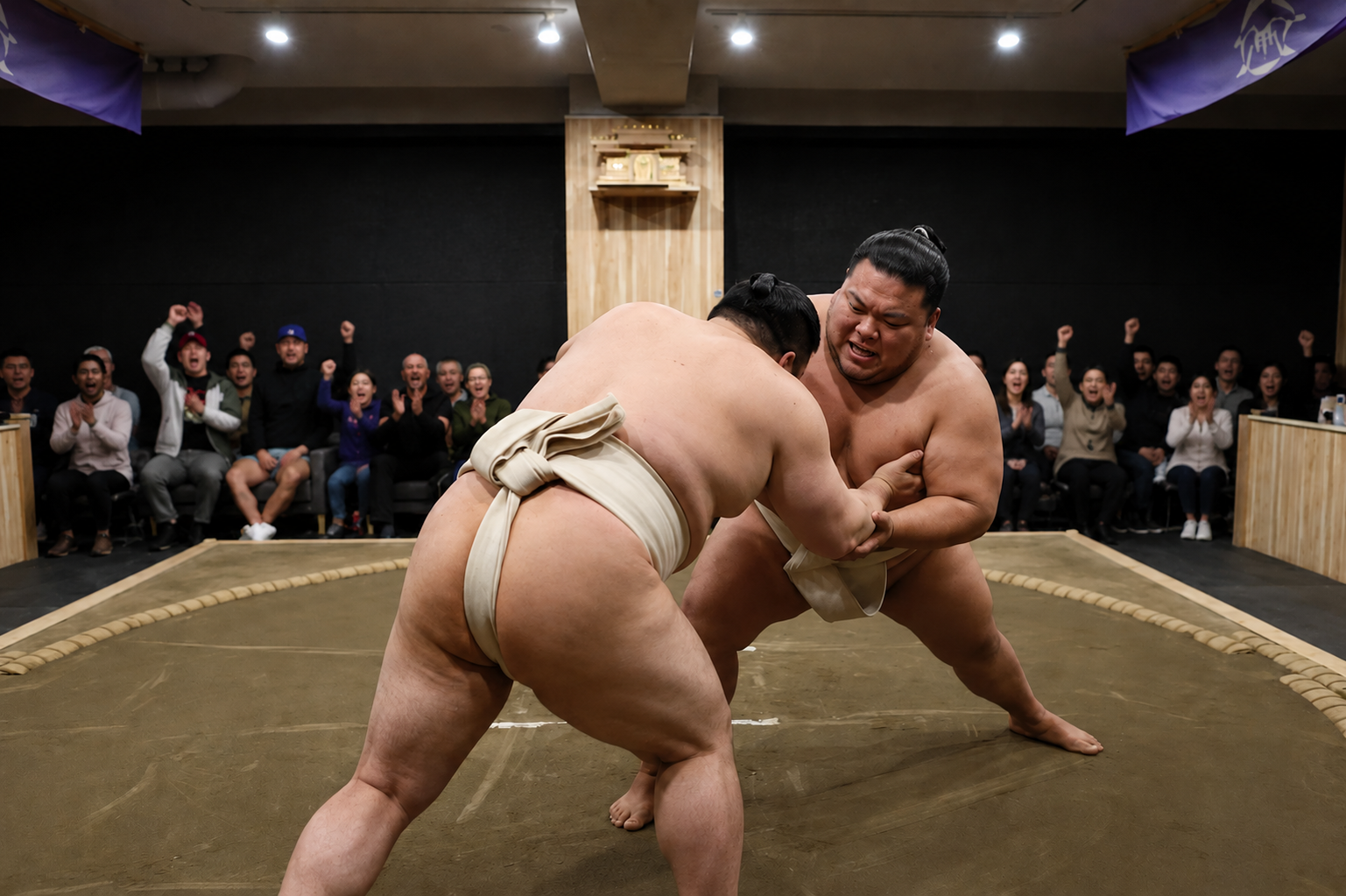
Watch pro sumo wrestlers compete, try the ring yourself, and snap photos with the athletes in central Tokyo.
Reserve
Hand-picked by our editors — only the best 5 experiences from 18 reviewed.
Verified partners for every tour, free cancellation where available, and instant confirmation on every booking.
1 hr 30 min
Watch pro sumo wrestlers compete, try the ring yourself, and snap photos with the athletes in central Tokyo.
Reserve
1 hr 30 min
Watch live sumo matches, learn centuries-old rituals, and step into the ring to face a wrestler yourself
Reserve
2 hr
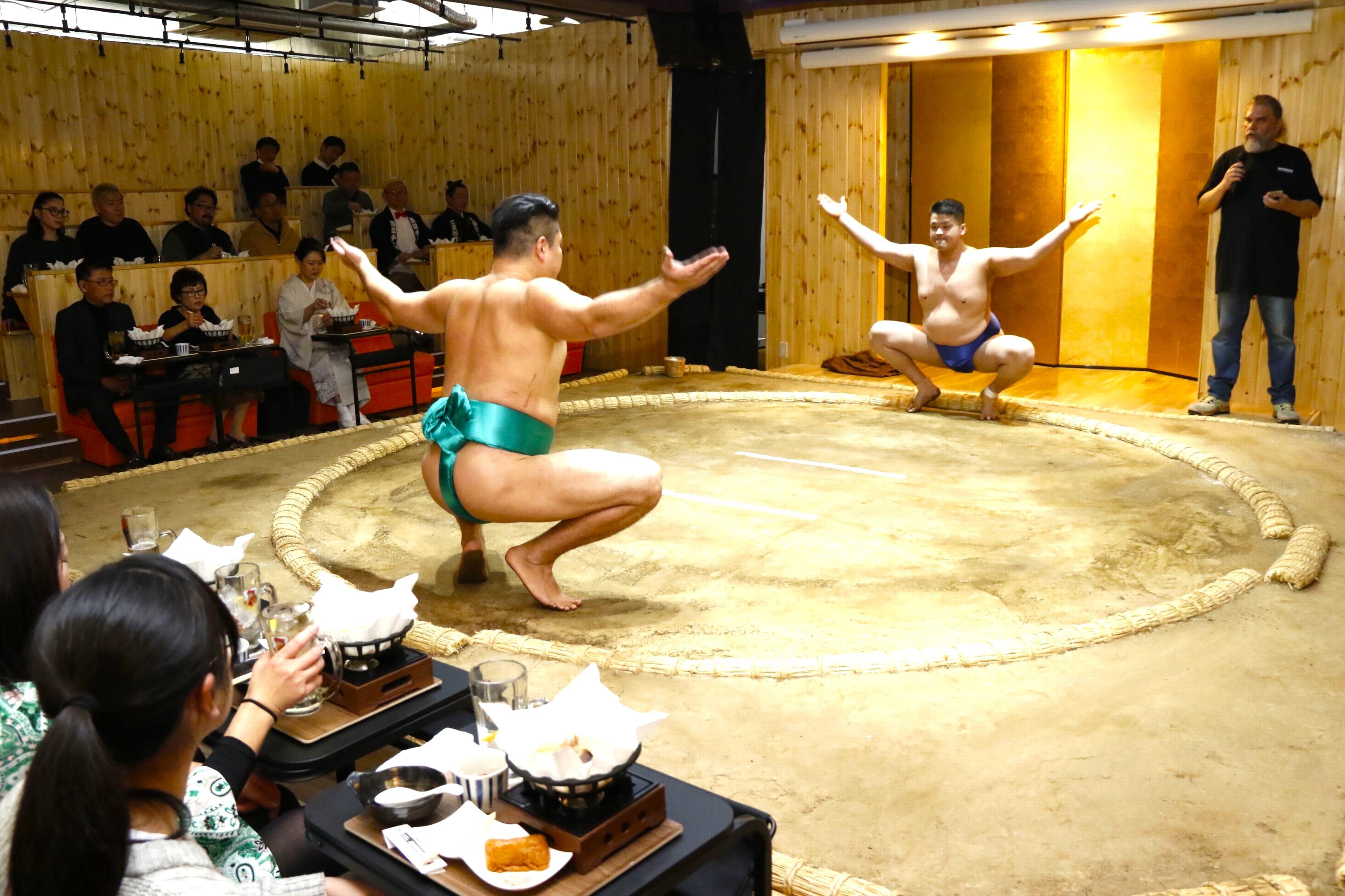
Watch retired pros wrestle in a real ring while feasting on unlimited chanko-nabe and Japanese dishes
ReservePrices from verified partners. Availability updates in real time at checkout. Free cancellation policies apply where shown.
The landmarks, rooms, and views travelers on this tour remember — all visible on a single visit.
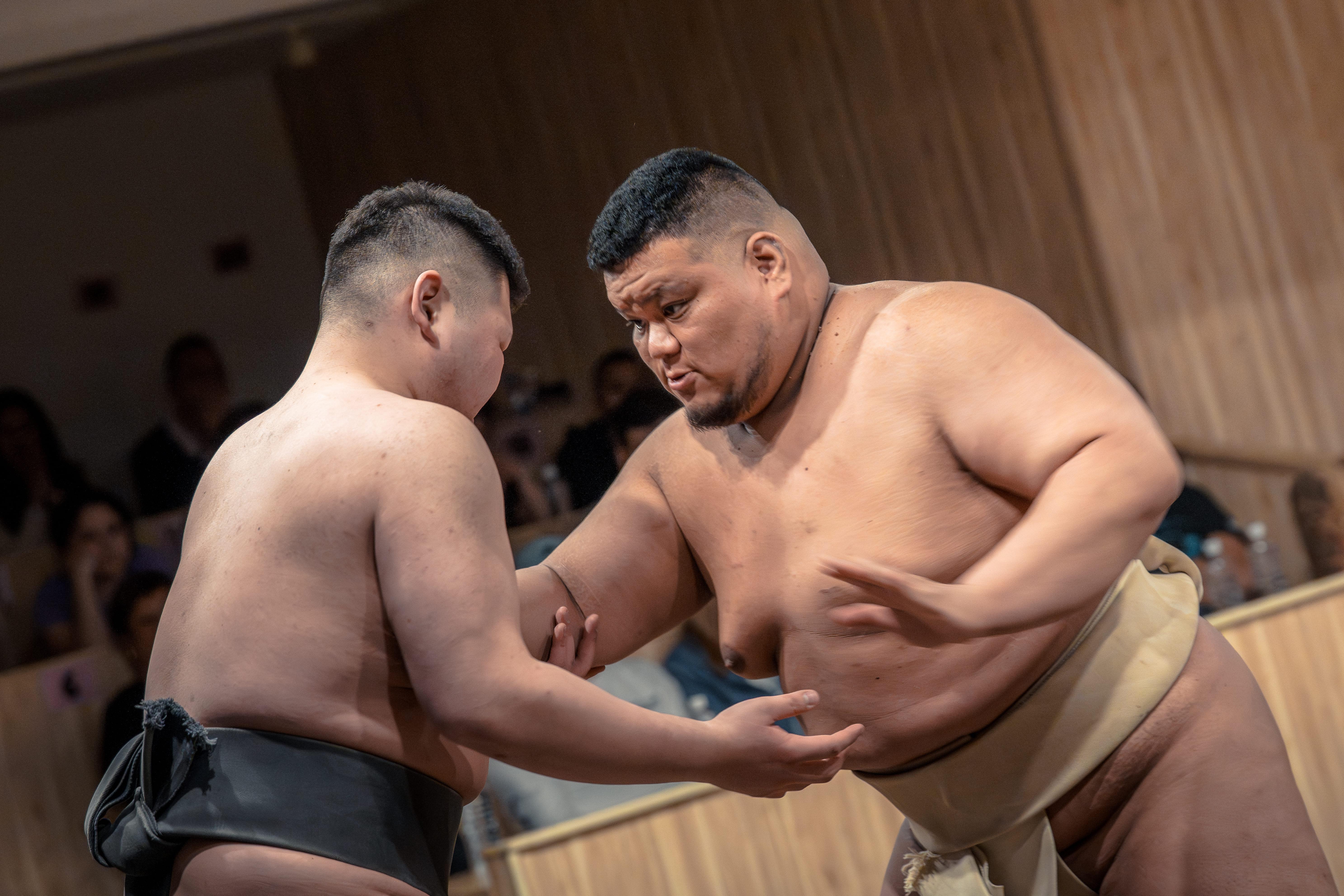
The sacred clay ring where professional bouts and demonstrations occur
The Shibuya exhibition offers a structured, interactive performance for families, whereas the Ryogoku morning practice provides a raw, observational look at athlete training. Choosing between these tokyo family sumo workshop & live wrestling show with lunch tours depends on whether you prefer active participation or authentic, quiet observation.
| Feature | Top pick Shibuya Sumo Show | Ryogoku Stable Training |
|---|---|---|
Experience Type |
Interactive show and workshop | |
Observational practice session;Interaction Level |
High participation | |
Low to none;Cultural Focus |
Entertainment and history | |
Ritual and discipline;Dietary Component |
Included meal | |
None;Venue Atmosphere |
Commercial performance space | |
Traditional training hall;Typical Audience |
Families and casual tourists | |
| See tickets → |
Verdict: Securing tokyo family sumo workshop & live wrestling show with lunch tickets is ideal for those seeking an engaging, family-friendly event, while the Ryogoku option is better suited for visitors pursuing an intimate look at the daily routines of professional rikishi.
Choose your ticket, select your date, and reserve in under two minutes. Secure checkout handled by our verified partner.
Instant confirmation by email, with a mobile voucher you can save offline. No printing, no queuing at a collection desk.
Arrive at the entrance, show your voucher on your phone, and walk in. Most tickets include priority or skip-the-line access.
Practical details for your visit straight from our verified partners — hours, access, rules, and how to get there.
Casual comfortable clothing is recommended. Please note that some floor seating requires removing your shoes.
Small personal bags are permitted. Large luggage should be stored at Shibuya or Yoyogi Station lockers before attending the tokyo family sumo workshop & live wrestling show with lunch.
Photography is allowed during the tokyo family sumo workshop & live wrestling show with lunch. You are encouraged to take photos with the wrestlers.
The venue is not suitable for wheelchair users due to building layout constraints. Please contact the operator if you have specific mobility concerns regarding the tokyo family sumo workshop & live wrestling show with lunch.
This is a family-friendly experience suitable for all ages. Infants must sit on laps during the tokyo family sumo workshop & live wrestling show with lunch.
Lunch options or drinks may be included depending on your specific package. Please notify the operator of dietary restrictions 48 hours prior to the tokyo family sumo workshop & live wrestling show with lunch.
Best time to go, insider tips, nearby landmarks, and the cancellation fine print — flip through to skim what matters to you.
Flexible, no hidden fees.
Full refunds are typically available if cancellations are made within the operator's specified advance window. Contact the booking platform to confirm details for your tokyo family sumo workshop & live wrestling show with lunch.
Sumo wrestling emerged in the eighth century as a Shinto ritual to ensure good harvests, with formal tournaments documented at the imperial court by 728. The sport's transition from religious ceremony to professional entertainment began during the Edo period, when permanent dohyō rings replaced temporary shrine enclosures and wrestlers formed heya training stables under strict apprenticeship codes. By the Meiji era, sumo had crystallized into Japan's national sport, governed by rigid hierarchies and ceremonial protocols that persist today. Modern Tokyo family sumo workshop & live wrestling show with lunch experiences operate outside the closed world of professional sumo, which admits no spectators to morning training sessions at traditional stables. Commercial sumo shows in districts like Shibuya, Shinjuku, and Asakusa emerged in the 2010s to address tourist demand for accessible encounters with the sport. Retired sekitori wrestlers and lower-division rikishi staff these venues, demonstrating techniques families would never witness inside an active heya. The workshops preserve core elements—salt purification, shiko stomping exercises, the initial charge called tachiai—while condensing centuries of tradition into ninety-minute sessions. The physical architecture of these experiences centers on a regulation-size dohyō, a clay platform topped with sand and bounded by rice-straw bales. Participants learn the forty-eight kimarite winning techniques, from basic oshidashi frontal pushes to complex uwatenage overarm throws. Professional wrestlers explain how a 150-kilogram body generates explosive power through hip rotation and low center of gravity, principles refined over fifteen hundred years of competition. The chanko-nabe communal hotpot served after demonstrations follows recipes developed in Ryōgoku stables, where wrestlers consume up to 10,000 calories daily to maintain their mass. Tokyo family sumo workshop & live wrestling show with lunch tours integrate costumed photo opportunities with mawashi belts and ceremonial aprons, elements drawn from Grand Tournament pageantry. Children practice ring-entering rituals reserved for yokozuna grand champions, movements choreographed to convey dignity and strength. The format compresses sumo's layered symbolism—Shinto purification, Confucian hierarchy, martial discipline—into participatory theater, making an otherwise inaccessible tradition legible to international families.
"Commercial sumo shows preserve core elements—salt purification, shiko stomping, the tachiai charge—while condensing centuries of tradition into ninety-minute sessions."
A step-by-step walkthrough of the visit — what you'll see, how long each stage takes, and the details that matter.
You arrive at the Shibuya venue and remove your shoes at the entrance, following the protocol observed in every sumo stable across Japan. The dohyō ring occupies the center of the hall, its clay surface smooth under overhead lights. A retired sekitori wrestler in traditional dress greets your family and explains the day's structure: demonstration, workshop participation, live exhibition bouts, then a shared chanko lunch. You watch as two rikishi perform shiko leg raises, each stomp driving their heels into the platform with rhythmic force. The wrestler invites your children into the ring to attempt the movement, steadying their balance as they lift one knee and extend the opposite leg. You tie a practice mawashi belt around your waist—thick cotton, not the silk worn in professional tournaments—and learn the basic crouch stance, feet wide, hips low, hands forward. The instructor demonstrates a tachiai charge in slow motion, then pairs you with a wrestler for a controlled push drill across the sand. The live exhibition begins with salt-throwing purification, white crystals arcing through the air before two competitors collide at the center line. The bout lasts four seconds—a rapid sequence of hand grips, pivoting hips, one wrestler's heel crossing the boundary rope. You move to the dining area where a bubbling chanko pot releases steam, filled with chicken, tofu, cabbage, and dashi broth. The wrestler who led your workshop sits at your table, explaining how he consumes this meal twice daily to maintain his 140-kilogram frame.
The entrance fee is 0 JPY for the base entry, though this is a private tour-based commercial experience requiring advance booking.
Yes, the tokyo family sumo workshop & live wrestling show with lunch is designed for all ages and families are very welcome.
Shibuya Sumo Show is available from 00:00–23:59 daily based on advance reservations.
Yes, photography is allowed and encouraged at the tokyo family sumo workshop & live wrestling show with lunch.
The experience typically lasts between 1.5 to 2 hours.
Absolutely, the tokyo family sumo workshop & live wrestling show with lunch is tailored for beginners with English-speaking guidance.
Notify the operator at least 48 hours in advance of your tokyo family sumo workshop & live wrestling show with lunch to arrange meal accommodations.
The venue is a 1-minute walk from the East Exit of JR Yoyogi Station.
Wear comfortable clothing; be prepared to remove shoes if seated on the floor.
Yes, you can secure your tokyo family sumo workshop & live wrestling show with lunch tickets via the official booking calendar.